
Flooring is the foundation of your home, but even the most stunning surfaces lose their luster under the stresses of everyday life. Between seasonal humidity shifts, spills from pets and kids, and the grit brought in on shoes, floors endure a constant barrage of wear and tear. While basic cleaning, such as mopping or vacuuming, keeps the house looking presentable, a deep clean helps preserve the structural integrity and long-term beauty of your flooring.
Deep cleaning is a specialized process that requires the right products, techniques, and an understanding of your specific flooring. Whether you're prepping your home for a special event or performing a seasonal reset, this guide will walk you through the professional secrets of maintaining every surface type in your home.
Deep Cleaning Carpet and Area Rugs
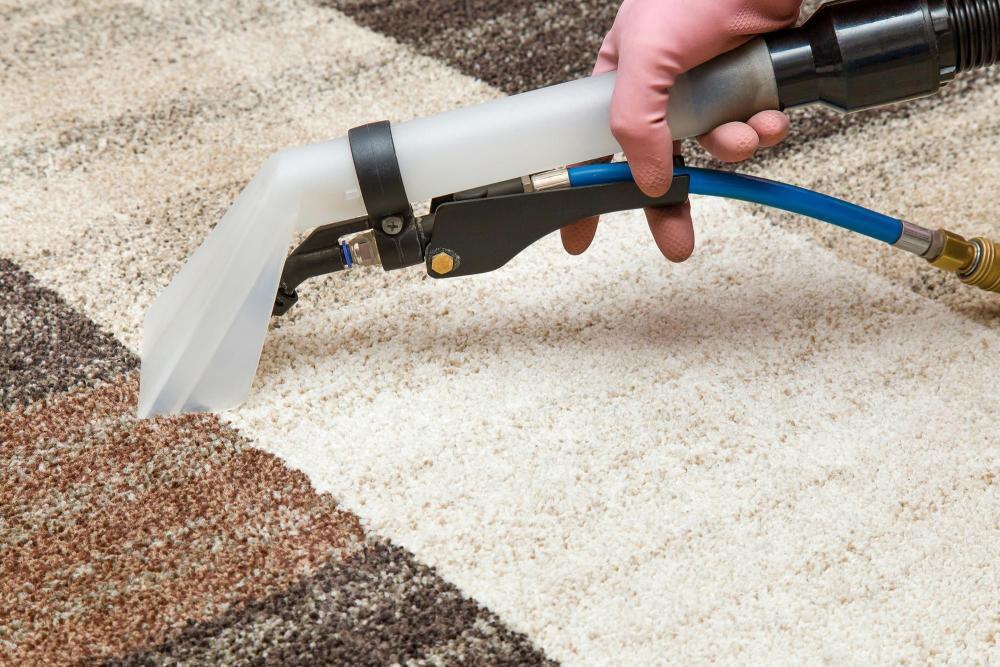
Unlike hard surfaces, where dirt sits on top and messes are almost always visible, carpet hides dirt and debris deep within its fibers. Over time, this debris wears away at your carpet's fibers.
The Secret: Dwell Time & Steam Cleaning
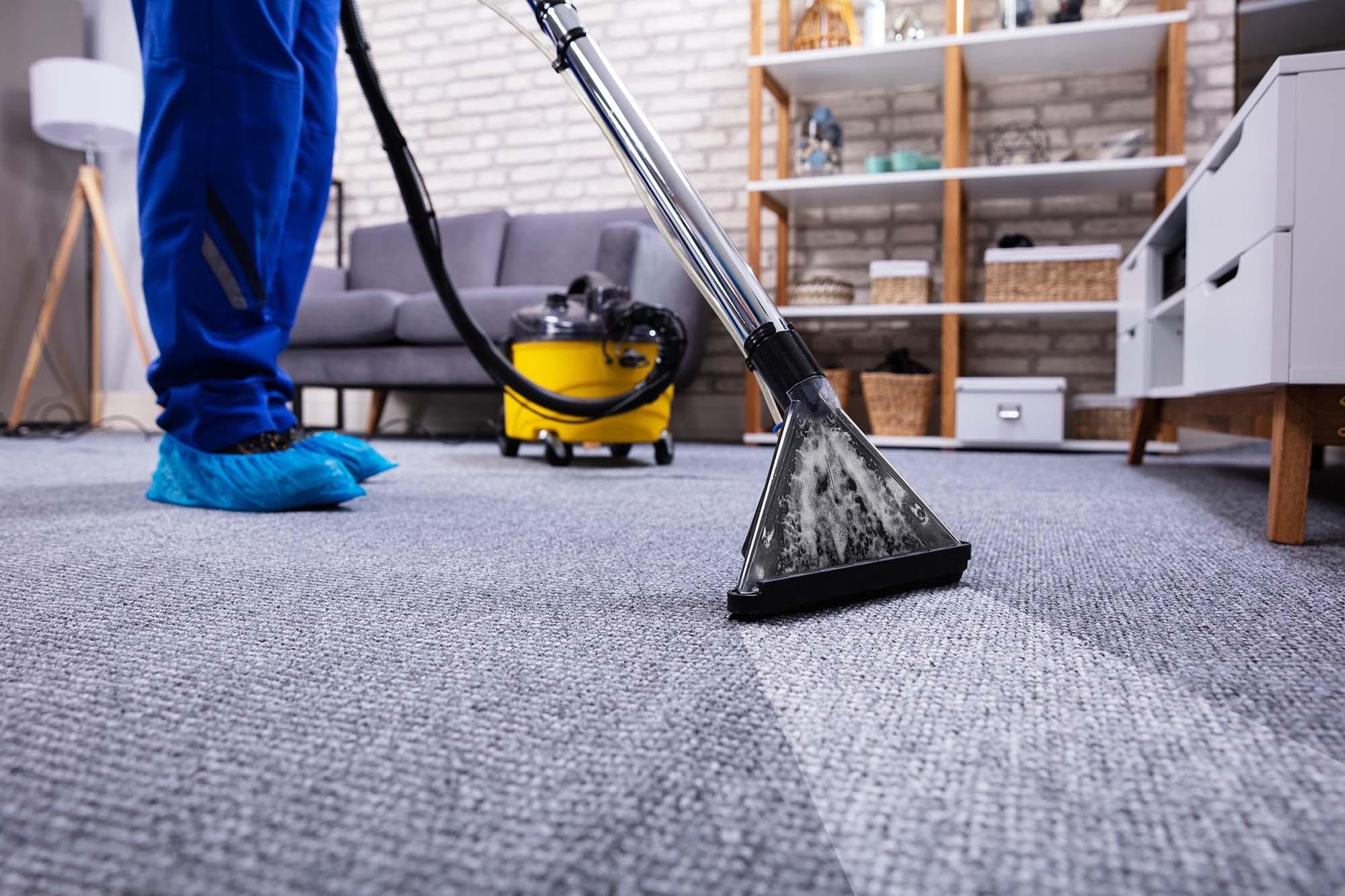
● Step 1: Start with a thorough vacuuming. Then, treat your carpet with a pre-spray.
● Step 2: Let the cleaner sit for 5–10 minutes to break down oils.
● Step 3: Use a hot water extraction machine (steam cleaner). After spraying the hot water, go over the same area two or three times to remove as much moisture as possible. Take rugs to a garage or patio. Better yet, have them professionally cleaned if they're made of wool or silk. Never steam clean a rug over your hardwood flooring.
Deep Cleaning Laminate Flooring
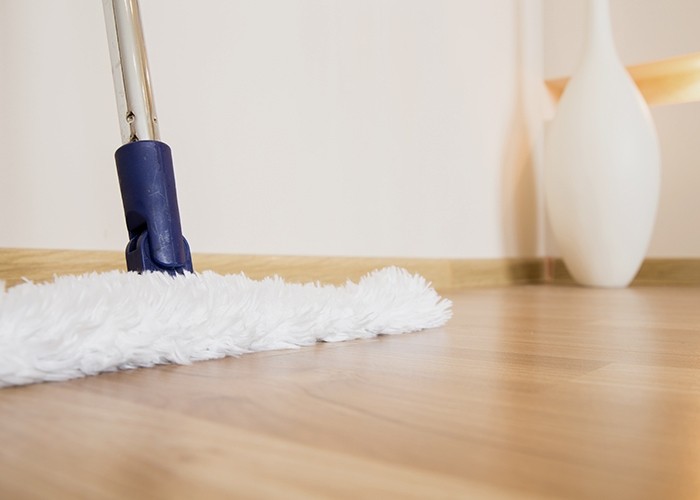
While laminate flooring is prized for its durability, the seams are vulnerable. Excessive water exposure is the primary cause of laminate damage, leading to peaked edges and swelling.
The Secret: Mist and Microfiber
● Step 1: Instead of a bucket and mop, use a spray bottle and a flat microfiber mop. Use a pH-neutral cleaner.
● Step 2: For a deep clean, use a mixture of one part white vinegar to 10 parts water. Be sure to follow up with a dedicated laminate cleaner.
● Step 3: After cleaning, go over the floor with a dry, clean microfiber cloth. This prevents streaking and removes any leftover moisture.
Deep Cleaning Luxury Vinyl Flooring
It’s true that luxury vinyl flooring is waterproof, which makes it easier to clean. Still, its deep wood-grain textures can trap dirt that a regular mop skims over.
The Secret: Soft-Bristle Agitation
● Step 1: Use a soft-bristled nylon brush or a specialized oscillating floor scrubber. A pH-neutral cleaner will maintain the integrity of the wear layer.
● Step 2: While vinyl is waterproof, drenching it in water can still cause issues with the subfloor. Use a two-bucket system, one with your cleaning solution and one with clean water to rinse your mop. This ensures you aren't just moving dirty water around the room.
● Step 3: Never use a steam mop on luxury vinyl. The intense heat can compromise the adhesive or the click-lock integrity of the planks.
Deep Cleaning Ceramic, Porcelain, and Stone Tile Flooring
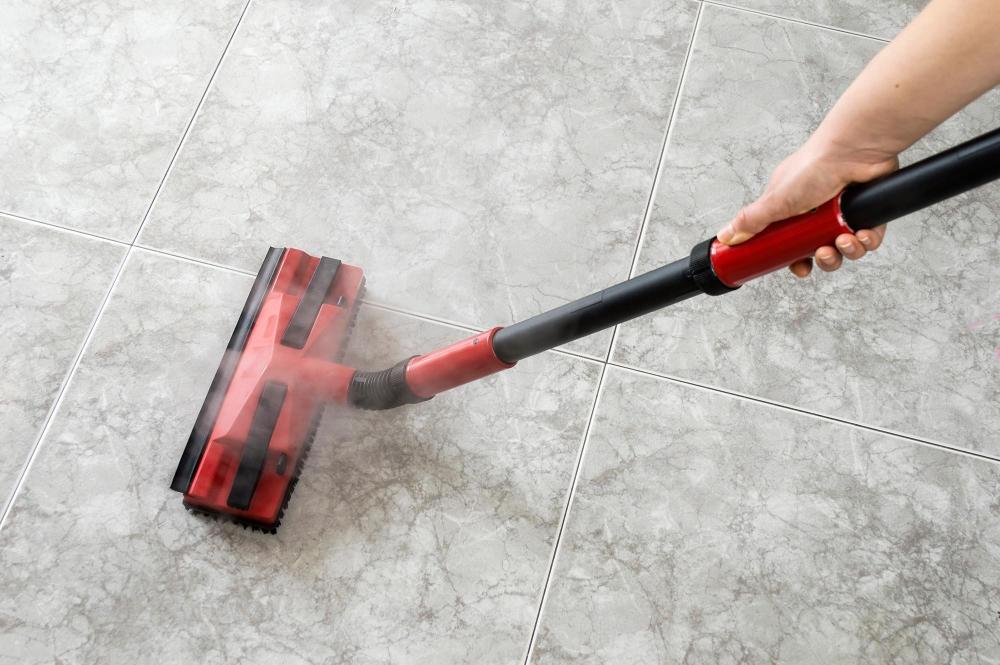
Tile itself is a hygienic flooring choice, but grout is a magnet for bacteria and discoloration. Natural stone, meanwhile, requires a gentle touch to avoid chemical etching.
The Secret: Use the Right Chemical for the Job
● Step 1: Ceramic and porcelain are non-porous. To deep clean, use an alkaline-based grout cleaner. Apply it to the grout lines, let it sit, and scrub with a grout brush.
● Step 2: Stone, including marble, travertine, and slate, is sensitive. Never use vinegar or lemon-based cleaners, as the acid will eat into the stone. Use only stone soap or specialized pH-neutral cleaners.
● Step 3: After a deep clean, the most important step is resealing. Once the grout and stone are dry, apply a high-quality sealer to your tile flooring to prevent future stains from soaking in
Deep Cleaning Hardwood Flooring
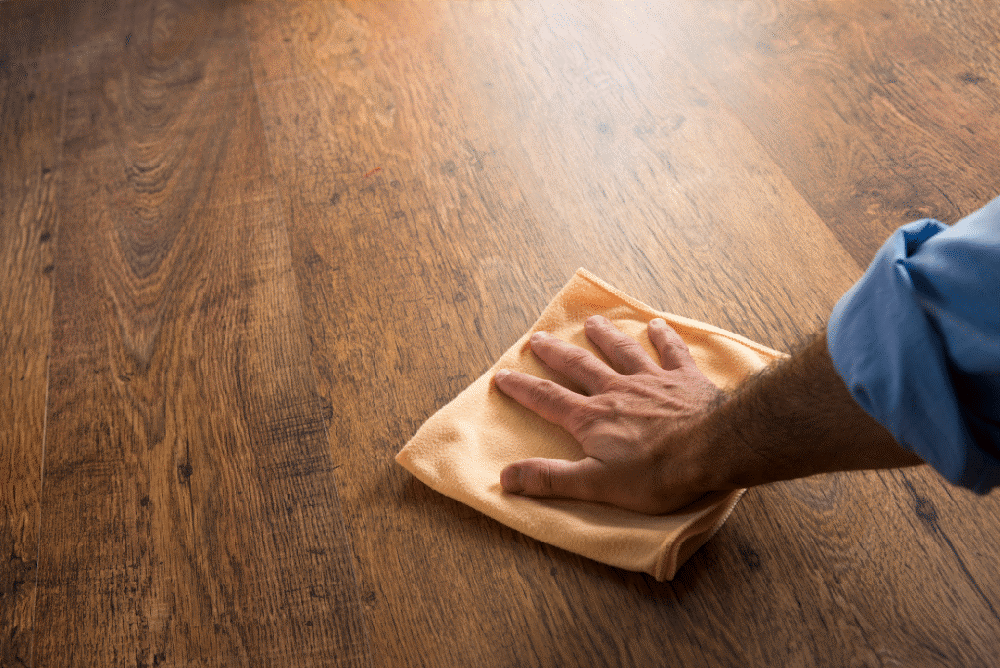
Deep cleaning hardwood flooring isn't about the wood itself; it's about maintaining the finish (polyurethane or oil) that protects the wood.
The Secret: The "Squeaky Clean" Test
● Step 1: Use a specialized hardwood floor cleaner (like Woodpecker or Bona). Use a well-wrung microfiber mop and work in small sections.
● Step 2: If a spot is stubborn, use a soft cloth and a bit more elbow grease. Never use steel wool or scouring pads.
● Step 3: Check for wear. If the finish is looking dull even after a deep clean, it may be time for a screen and recoat. This process adds a new layer of protection without requiring full sanding.
Cleaning Tips for All Types of Flooring
Regardless of the flooring type, these pro secrets apply across the board:
● Dust baseboards, ceiling fans, and furniture before deep cleaning your floors.
● If you're deep cleaning the whole house, change your microfiber pads or mop heads as soon as they look gray. Using a dirty tool redistributes dirt.
● Before using a new deep-cleaning machine or chemical, check your flooring warranty. Some manufacturers specify which brands or methods are required to keep your coverage active.
We're Your Partners in Floor Care
Deep cleaning can feel daunting, but it is the best way to protect the investment you've made in your home. Whether you're dealing with a stubborn stain on your carpet, a dull finish on your hardwood, or grout that has seen better days, you don't have to tackle it alone. At [Retailer 'companyname'], our experts are here to provide personalized advice on the best tools and techniques for your specific lifestyle. Reach out to us today—we're here to help you keep your floors looking beautiful for a lifetime!