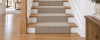


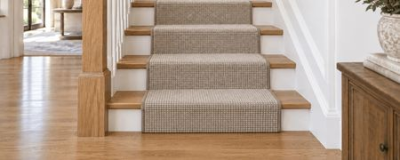
Selecting the right staircase flooring requires balancing underfoot safety, structural durability, sound reduction, and visual continuity. Evaluating materials like hardwood, carpet, and luxury vinyl helps create a secure, long-lasting transition between levels while maintaining the overall aesthetic of the home.
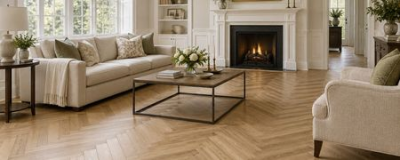
Aligning interior flooring with a home's structural character creates a balanced environment where design choices feel intentional and visually grounded. Evaluating grain patterns, plank widths, and surface textures allows homeowners to select surfaces that honor traditional, modern, rustic, or coastal architecture.
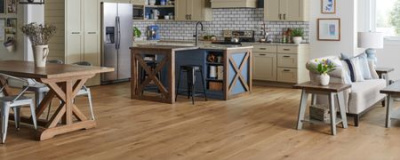
Homes evolve through various stages of life, requiring surfaces that adapt to shifting levels of foot traffic, moisture, and daily activity. Selecting versatile flooring materials like engineered hardwood, rigid core luxury vinyl, and stain-resistant carpeting ensures lasting functional performance across changing household needs.
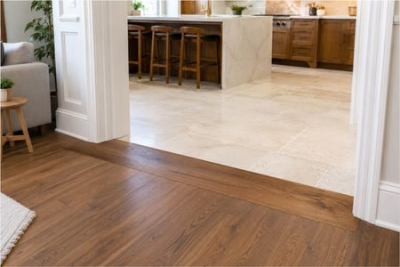
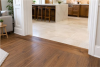
Thoughtful floor transitions harmonize different materials, allowing individual rooms to maintain their unique character while preserving an open, continuous flow throughout the home. Selecting the proper threshold profile or custom inlay protects exposed edges, eliminates height mismatches, and completes your space with architectural intention.
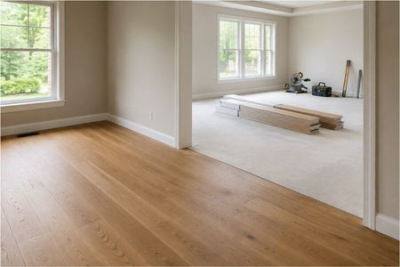
Replacing floors while remaining in the home requires thoughtful room sequencing, active dust isolation, and clear installation pathways to keep daily life running smoothly. Choosing efficient materials and preparing each space ahead of time protects your furniture and preserves household comfort from start to finish.
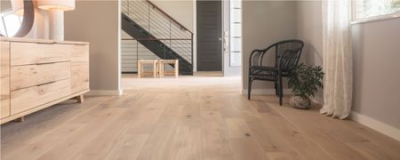
Updating interior surfaces balances daily durability with timeless design, creating an inviting space while building long-term equity. Strategic material choices, continuous layouts, and neutral palettes reassure future buyers and maximize return on investment.
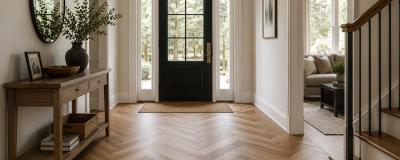
Visual scale and proportion dictate how large, intimate, or balanced a room feels to the eye. Selecting the ideal plank width, tile size, and pattern alignment ensures your flooring creates a cohesive foundation throughout your home.
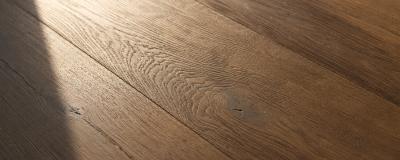
Selecting hardwood flooring involves balancing the thickness of the top wood veneer with the protective qualities of factory finishes like polyurethane or penetrating oil. Understanding these structural specifications helps homeowners match flooring durability and maintenance requirements to the unique foot traffic of each room.
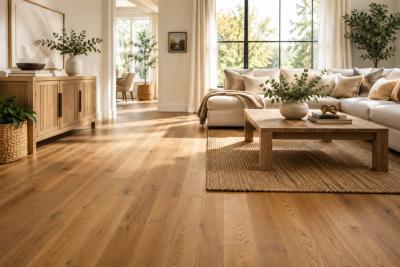
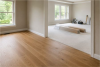
Mid-tone wood flooring provides an enduring foundation that connects interior spaces while accommodating evolving design preferences. Its natural ability to balance light reflection, conceal everyday wear, and bridge diverse architectural styles makes it a timeless choice for modern households.
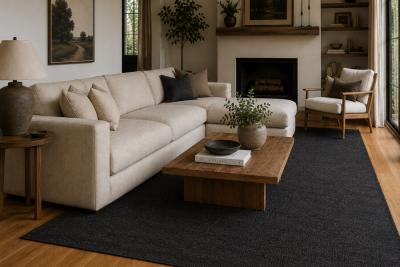
Establishing a cohesive interior design relies heavily on how foundational flooring interacts with the fabrics and furniture sitting directly above it. By understanding the relationships between wood undertones, carpet piles, and upholstery scales, spaces can be curated to look balanced, grounded, and naturally comfortable.